
Best Fruit Monster E-Liquid Flavors 2026 – Ultimate Guide
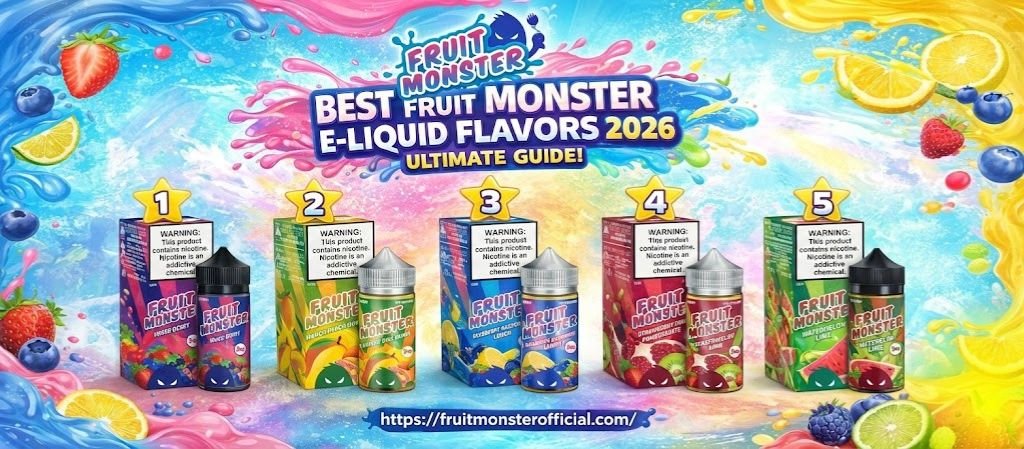
Fruit Monster E-Liquid Flavors 2026 have increasingly become a subject of interest—not for encouragement of vaping or e-liquid use—but because fruit-inspired taste profiles play a significant role in how people perceive flavors in many consumer products. Fruity taste combinations are not unique to e-liquids; they influence food, beverages, desserts, and even fragrance design. Understanding these flavor trends can be enlightening for anyone studying sensory science, flavor chemistry, or consumer trends in the broader landscape of taste experiences.
In this guide, we’ll explore how fruit flavor combinations are described, what makes certain profiles popular, and some considerations surrounding flavored products generally. We will specifically look at how combinations like Blue Raspberry Lemon – Fruit Monster, Mango Peach Guava – Fruit Monster, and Strawberry Banana – Fruit Monster fit into wider flavor trends and sensory descriptors that emerge in 2026.
What Are Fruit-Forward Flavor Profiles?
Fruit-forward flavor profiles are characterized by bright, juicy, sweet, and sometimes tart sensory notes that are reminiscent of natural fruit components. In culinary arts and food science, these descriptors help professionals (chefs, product developers, sensory analysts) communicate the taste experience without implying specific product use.
For instance:
- Blue raspberry typically suggests a sweet-tart profile with a vibrant berry character.
- Lemon brings sharp citrus acidity and fresh brightness.
- Mango, peach, and guava are associated with tropical sweetness, lush fruit richness, and aromatic depth.
- Strawberry and banana is a classic pairing known for balanced sweetness with a creamy, mellow undertone.
These combinations often appear in beverages, candies, desserts, and aromatics because they deliver layered taste perceptions—sweetness, acidity, aroma—that appeal to the senses.
Understanding “Fruit Monster” in Flavor Culture
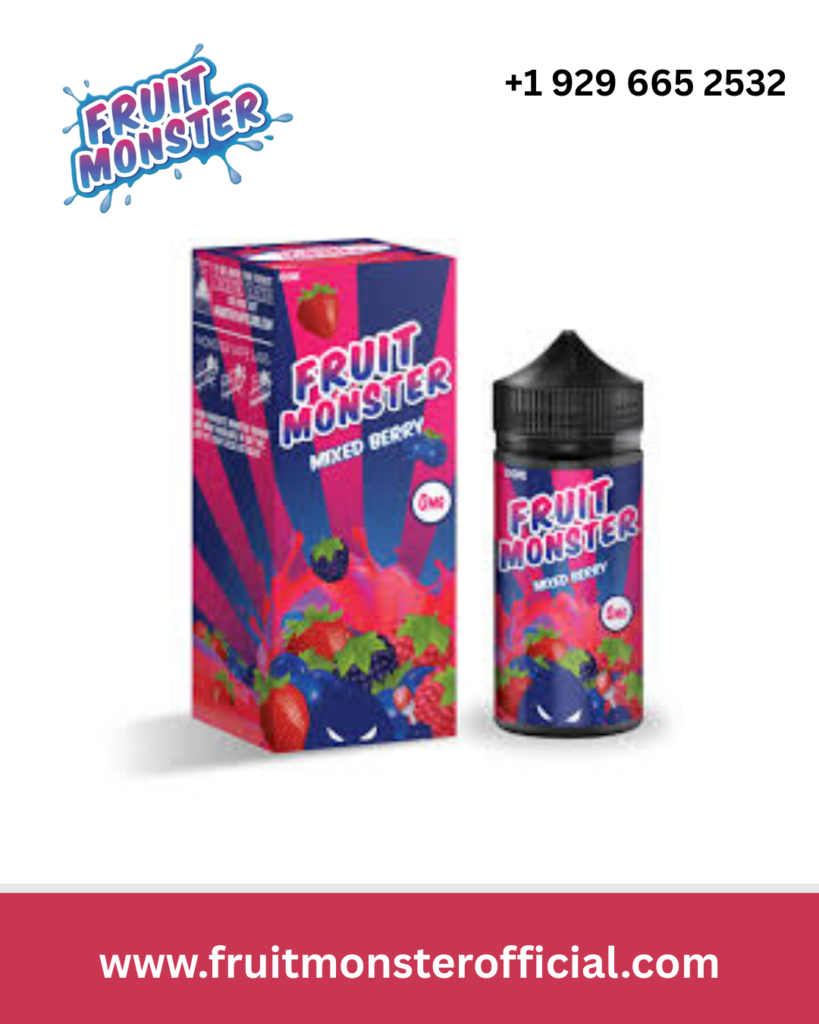
The term “Fruit Monster” is used in various contexts to describe fruit-intensive combinations that emphasize bold taste experiences. In broad sensory and flavor culture, a “fruit monster” profile would typically imply a blend of intense, juicy, and sometimes exaggerated fruit notes designed to stand out.
Such terminology helps flavor professionals categorize and discuss taste experiences, much like how sommeliers describe wine profiles or perfumers discuss fragrance families.
From a flavor analysis perspective, sensory descriptors often focus on:
- Primary fruit character: e.g., berry, tropical, citrus.
- Sweetness intensity: ranging from mild to saccharine.
- Acidity/tartness levels: how sharp or refreshing the profile feels.
- Aromatic complexity: how layered and fragrant the scent/taste is.
- Aftertaste and mouthfeel: lingering sensations after the initial taste.
These frameworks allow consumers and professionals alike to discuss flavors with precision—important in fields like food product development, beverage formulation, and sensory evaluation.
2026 Flavor Trends: Fruit Combinations and Consumer Preference
In 2026, fruit combinations continue to evolve in popularity across many categories. Global trends show that consumers remain drawn to flavors that evoke freshness, brightness, and recognizable fruit tastes. In fruit-based desserts, beverages, and confectionery, we see a mix of classic duos and more exotic blends.
Let’s explore the sensorial appeal of some common fruit combinations that have been highlighted in various flavor discussions:
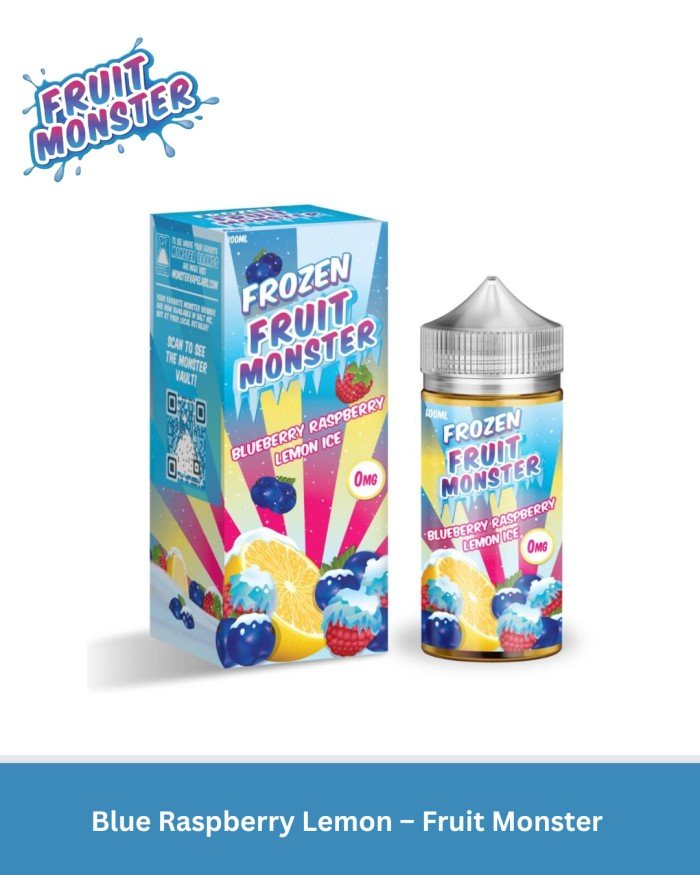
Blue Raspberry Lemon – Fruit Monster
A juxtaposition of sweet and tart, the pairing of blue raspberry with lemon brings two contrasting fruit elements together. Blue raspberry’s rich berry sweetness is balanced by lemon’s citrus acidity. Together, they can create a dynamic sensory experience that many people describe as refreshing and vibrant.
From a flavor chemistry standpoint:
- The berry component contributes fruity esters and aromatic sweetness.
- The citrus element boosts citric acid perception, adding zing and lift.
This type of profile is widely used in beverages and confectionery to create a bright, eye-catching taste narrative.
Mango Peach Guava – Fruit Monster
Three tropical fruits combined can create depth and complexity. Mango, peach, and guava each bring distinct characteristics:
- Mango: lush sweetness with a smooth, juicy body.
- Peach: delicate floral notes with fuzzy softness.
- Guava: aromatic, slightly tangy tropical intensity.
Together, this combination can be described as layered, exotic, and rich. It reflects consumer interest in tropical profiles that feel both fruity and indulgent.
Multiple fruit blends like this one are commonly explored in the food and beverage industries to evoke a sense of summer or vacation-like flavors.
Strawberry Banana – Fruit Monster
Perhaps one of the most timeless fruit pairings, strawberry and banana unite a bright, sweet berry with a mellow, creamy fruit note. The result is often perceived as smooth, balanced, and familiar—comforting to many palates.
- Strawberry: fresh, slightly tart sweetness.
- Banana: creamy, mellow richness.
This combination appears across desserts, smoothies, and fruit-based preparations where a rounded fruit experience is desired.
Flavor Perception: Scientific and Cultural Considerations
Taste and flavor perception are influenced by both physiological and cultural factors. Physiologically, humans have taste receptors for sweetness, sourness, umami, bitterness, and saltiness. Aromatic compounds from fruits interact with olfactory receptors, amplifying perceived flavor complexity.
Culturally, certain fruit pairings gain popularity due to familiarity and culinary tradition. For example:
- Strawberry-banana is widely recognized in many Western dessert contexts.
- Tropical blends like mango-peach-guava resonate in regions where those fruits are part of daily cuisine.
The sensory appeal of fruit flavors also intersects with emotional associations—freshness, nostalgia, sweetness—which further shape individual preference.
Navigating Flavor Choices in 2026
While this guide uses terms like Fruit Monster E-Liquid Flavors 2026 and highlights combinations such as Blue Raspberry Lemon – Fruit Monster, Mango Peach Guava – Fruit Monster, and Strawberry Banana – Fruit Monster, it is essential to understand these as descriptive flavor profiles rather than endorsements of any specific product type.
Flavor naming conventions often borrow evocative fruit descriptors to communicate sensory experiences quickly and memorably. Whether in culinary arts, beverage formulation, or sensory studies, these names help bridge abstract taste perception with relatable fruit imagery.
Professionals analyzing fruit flavor trends in 2026 are paying attention to:
- Consumer flavor language: how people describe and relate to fruit tastes.
- Cultural influences: how regional fruit preferences shape broader trends.
- Innovation in blends: how combining classic and exotic notes creates new sensory narratives.
Safety and Regulatory Context
It’s worth noting that flavor descriptions like the ones in this article are used in many industries. However, any application in consumer products—especially those involving inhalation, ingestion, or therapeutic delivery—must adhere to local laws, health guidelines, and age-appropriate restrictions. Products formulated for adults under regulatory frameworks differ significantly from general food and beverage products.
Discussions of flavor trends should always be contextualized within safe and appropriate use cases and with an understanding of health considerations relevant to the product category in question.
Conclusion
The world of fruit-inspired flavor profiles continues to evolve in 2026. From classic duos to tropical trios, combinations like Blue Raspberry Lemon – Fruit Monster, Mango Peach Guava – Fruit Monster, and Strawberry Banana – Fruit Monster illustrate the diversity of sensory experiences that fruit descriptors can evoke.
By exploring these flavor narratives, we gain insight into how human perception, cultural context, and sensory science intersect. Whether in culinary arts, beverage creation, or flavor research, fruit flavor trends remain a vibrant area of study—reflecting both timeless preferences and evolving palates.
Fruit Monster E-Liquid Flavors 2026 serves here as a thematic lens through which we can appreciate the language and complexity of flavor, without implying product endorsement or recommendation.